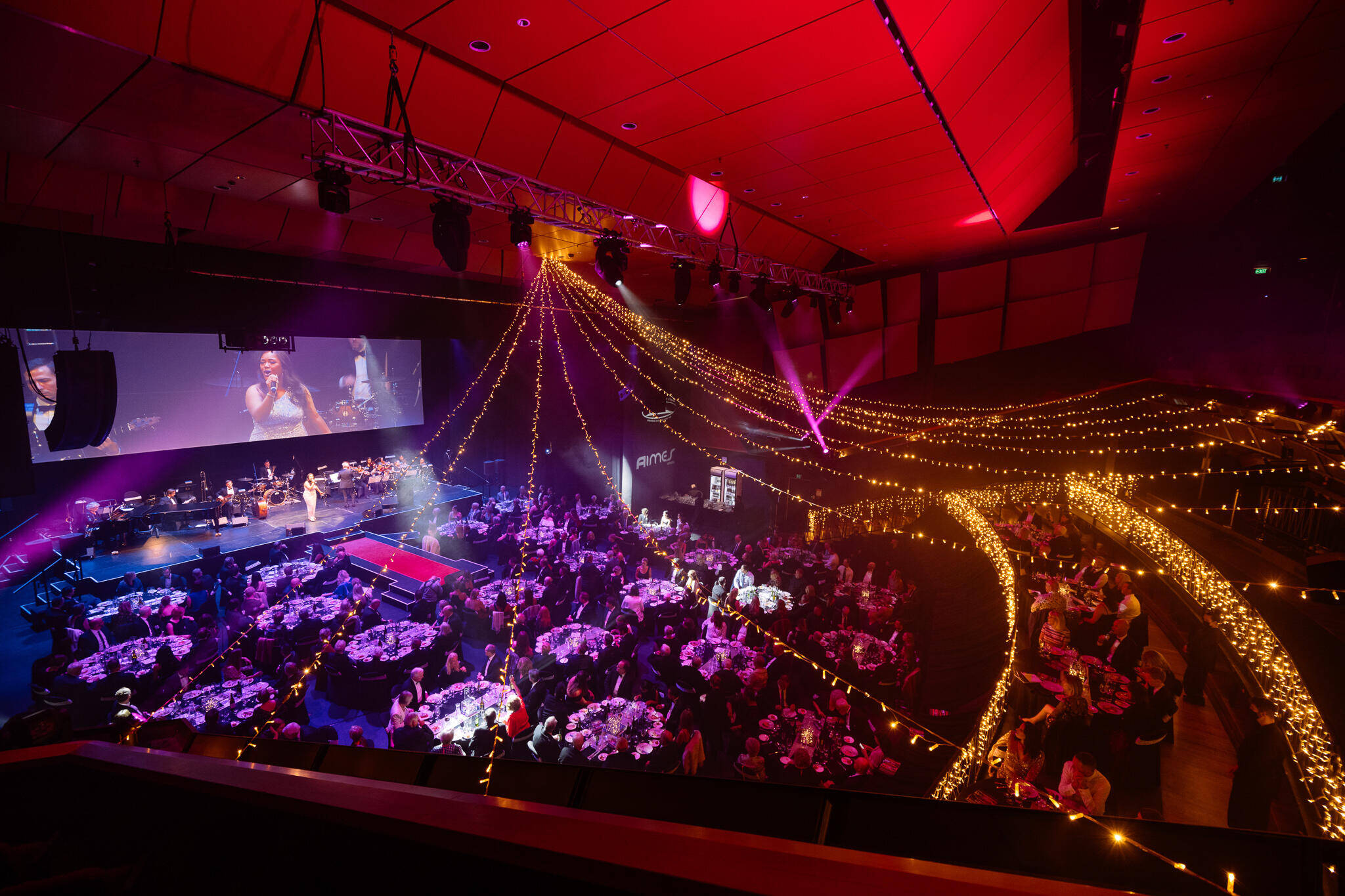
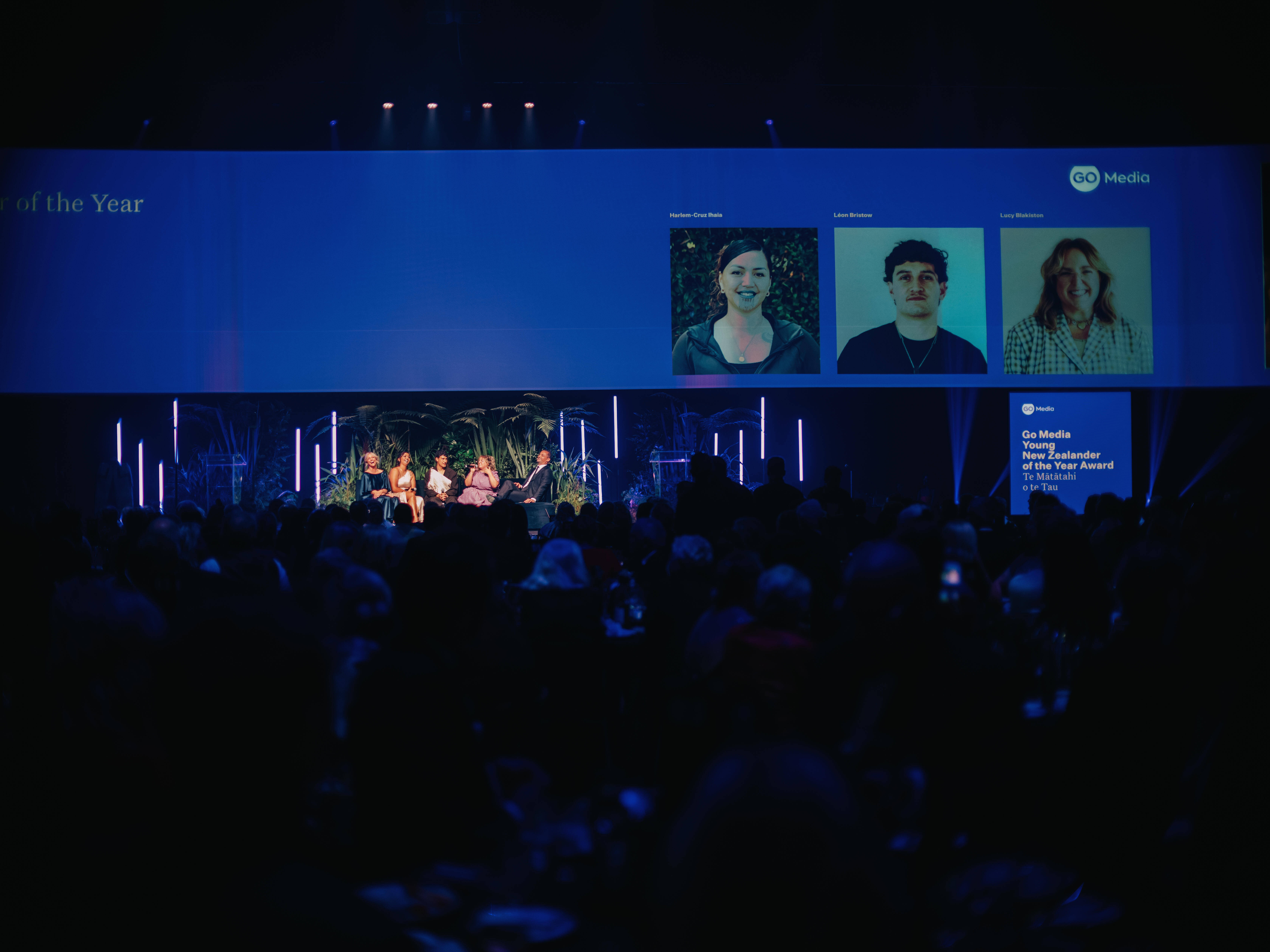
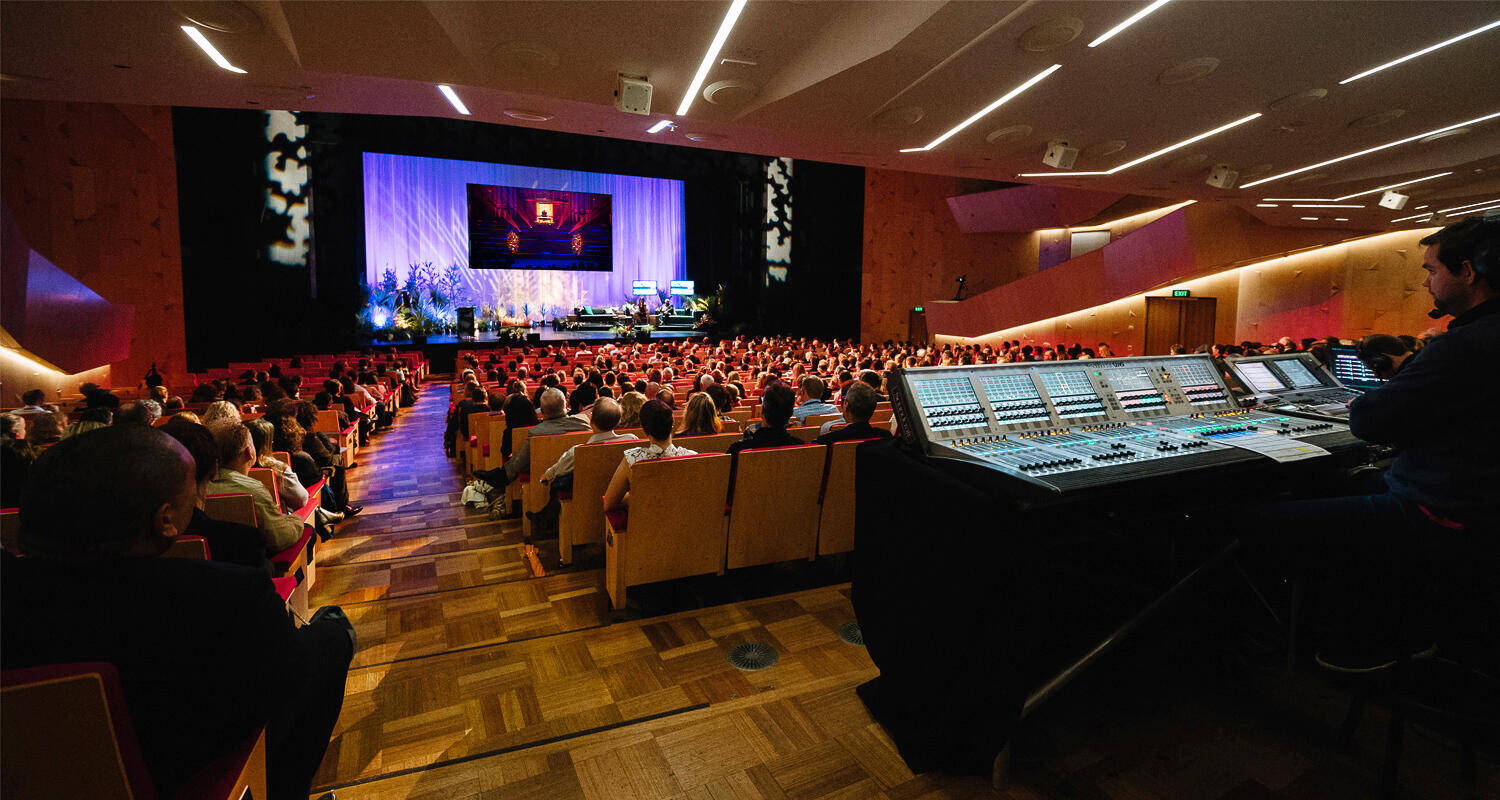
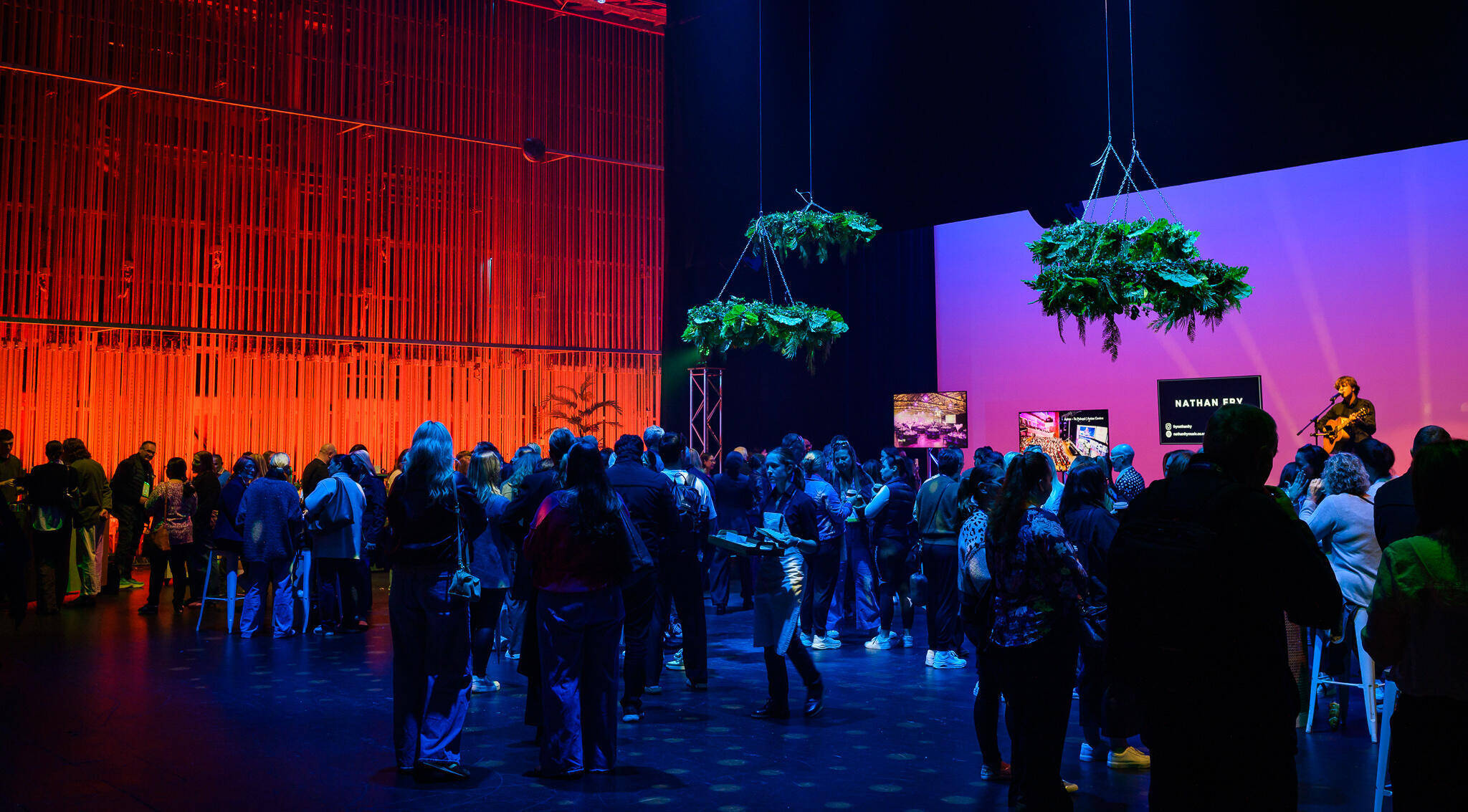
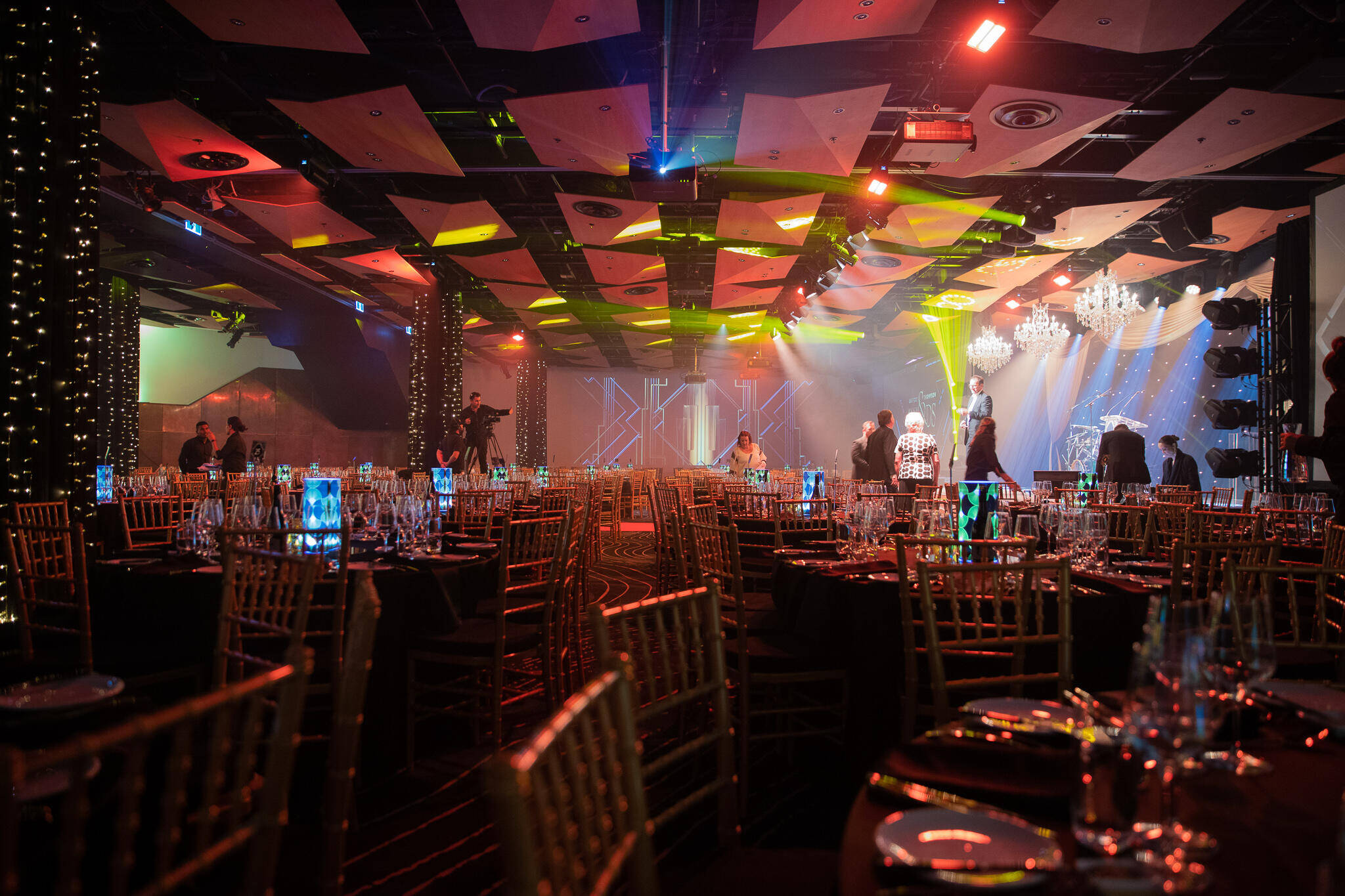
When planning an event, it's easy to focus on what's visible on the day. The lighting, screens, staging and production elements are often what attendees remember. 

But according to Justin Poihipi, Technical Growth and Partnerships Manager at Auckland Conventions, Venues and Events, the real difference is often made long before guests walk through the door. 

https://cdn.aucklandunlimited.com/conventions/assets/media/justin-pohipi.jpg

It's the planning, the problem-solving and the experience behind the technology that helps events run smoothly. By the time guests arrive, everything should feel effortless.

With more than 25 years' experience spanning live television, major sporting events, festivals and corporate productions across New Zealand and the United Kingdom, Justin has seen the event technology landscape transform. While the equipment continues to evolve, one thing has remained constant: great events rely on the people behind the technology as much as the technology itself. 

Turning ideas into experiences 

Every event starts with an idea, but bringing that idea to life often requires balancing creativity, budget, logistics and venue requirements. 

That's where an experienced technical team can add value. 

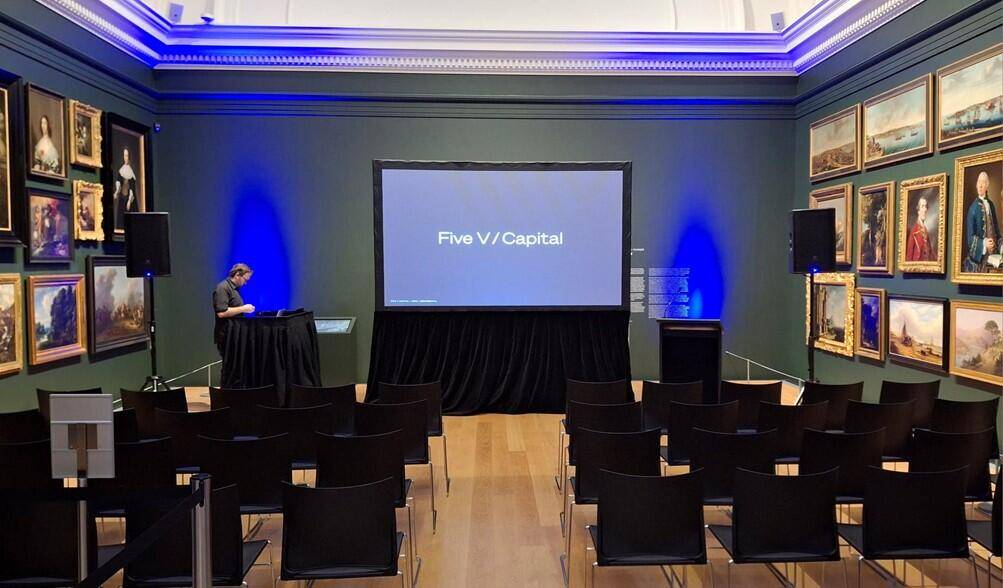
Rather than simply supplying equipment, technical specialists help shape how an event looks, sounds and feels. Sometimes that's recommending creative solutions, and sometimes it's identifying challenges before they become problems. 

Being involved early in the planning process often means opportunities can be identified that organisers may not have considered, whether that's a different room layout, a more effective presentation format or a production element that elevates the experience without adding unnecessary complexity.

Technology is creating new possibilities 

One of the biggest changes Justin has seen is the increased flexibility of event technology. 

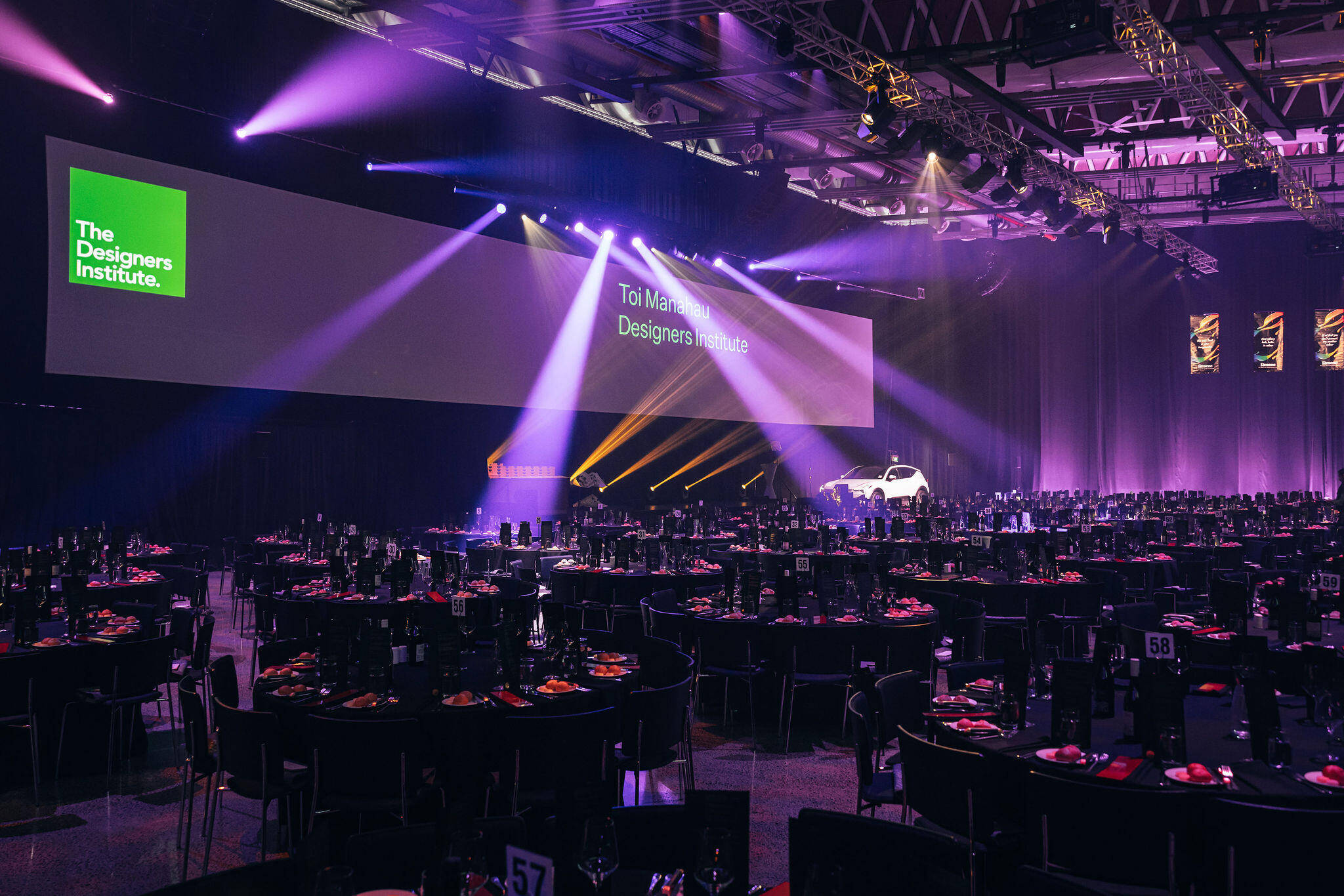
LED video, for example, has evolved well beyond traditional screens. It's now being incorporated into staging, custom-built structures and immersive environments that help create more engaging audience experiences. 

At the same time, advances in projection, lighting and content delivery systems are giving organisers more options than ever before. 

Large-scale 4K projection, high-resolution LED displays and content platforms such as Millumin allow presentations, brand storytelling and visual experiences to be delivered in increasingly dynamic ways. 

Behind the scenes, lighting, audio and video systems are also becoming more connected, helping technical teams work more efficiently and creating smoother experiences for organisers and attendees alike. 

Understanding the venue matters 

No two venues operate the same way. 

From the heritage character of Shed 10 to the waterfront setting of Viaduct Events Centre, every space has its own opportunities and considerations. 

Having a technical team that understands those spaces can simplify planning and help ensure production complements the venue rather than competing with it. 

"The venue should always be part of the story," says Justin. "The best event experiences feel connected to the space they're in." 

That understanding becomes particularly valuable when planning conferences, gala dinners and large-scale business events, where audience experience depends on dozens of elements working together seamlessly. 

Looking ahead 

The technology used in events will continue to evolve, and audiences will continue to expect more engaging and immersive experiences. 

What's unlikely to change is the importance of expertise. 

The most successful events aren't necessarily the ones with the biggest screens or the most complex production. They're the ones where technology, content and venue come together to create an experience that feels effortless for organisers and memorable for attendees. 

And while guests may only see the finished result, much of that success starts behind the scenes, with a team that understands how to turn ideas into experiences.